Chester Zoo has become the first zoo in the UK to be officially recognised as an internationally important botanic garden. The Cheshire-based conservation charity is only the second zoo in Europe to receive a prestigious accreditation from Botanic Gardens Conservation International (BGCI), the global organisation dedicated to plant conservation.
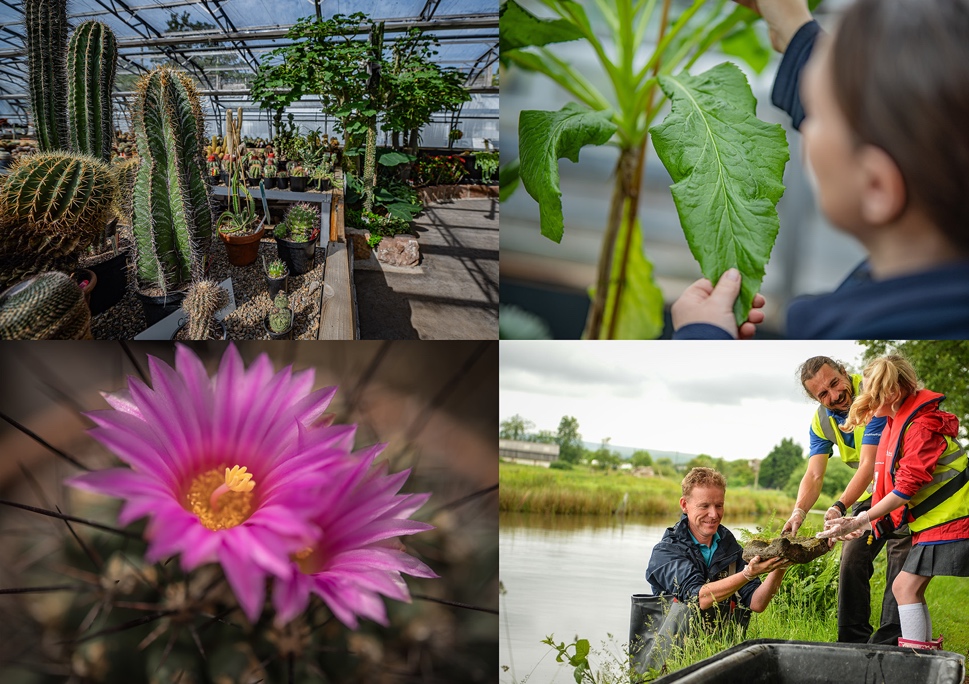
Botany and horticulture experts at the zoo said the recognition marked a watershed moment for its plant conservation work, strengthening the role zoos can play in national and international efforts to protect threatened plant species.
Philip Esseen, Head of Plants at Chester Zoo, said:
“This recognition shows that our plant work has real conservation value. We are caring for species that are threatened with extinction in the wild, and that carries a responsibility to protect them, propagate them and share our expertise with others.
“The accreditation will help us work more closely with other horticultural and conservation organisations and increase the amount of conservation work we can do, particularly to support native species.”
Chester Zoo cares for hundreds of plant species, including both UK and exotic flora, many of which are not normally found at zoos. Alongside the gardens and planted areas open to visitors, the team keep thousands of plants behind-the-scenes for conservation and research.
These include five National Plant Collections, part of a UK-wide scheme to ensure important cultivated plants are not lost altogether. The collections are carefully documented and maintained to safeguard multiple species for the future.
BGCI accreditors assessed the zoo across 22 criteria, including education, sustainability, interpretation, research, communication and the overall conservation value of its plant work.
Richard Hewitt, team manager for Chester Zoo’s plant nursery, said:
“In some cases, we are caring for plants that barely exist anywhere else. For example, there are three species from an island in the Madeiran archipelago which have almost disappeared from botanical gardens. We’ve been entrusted with seeds by the Madeiran government to help prevent their extinction.”
One of those species, Musschia isambertoi, is on the edge of extinction in the wild after its native habitat was destroyed.
“It’s believed to be pollinated by lizards in the wild, and as far as we know it has never successfully produced seed outside its natural habitat,” Mr Hewitt said. “There are no set protocols, so we’re trying to recreate the conditions you’d find on a wild Atlantic cliff. Getting it to flower and set seed would be a major step forward for its conservation.”
The zoo’s plant team is also involved in the propagation and re-planting of threatened UK species, including black poplar, which has been described as the most endangered native timber tree in Britain.
While animals remain the main focus for many visitors, planting plays a crucial role in shaping the zoo experience and supporting visitor wellbeing.
As part of a wider wellbeing campaign, Chester Zoo has been encouraging people to spend more time exploring its gardens and green spaces. This includes an area known as the Plant Project, an indoor habitat featuring cacti, orchids and pitcher plants, many of which are highly endangered in the wild.
Mr Esseen said thoughtful planting helps create calmer spaces for visitors in a busy environment.
“We can have more than 10,000 people a day moving around the zoo,” he said. “The gardens give people places to pause, rest and reflect. They’re important not just for visitors, but for staff too.”
He added that gardens offer a different kind of connection with nature.
“Unlike animals, plants are something people can get very close to. You can touch them, smell them, listen to them in the wind. We plant species that engage all the senses and change through the seasons, so every visit feels a little different. It’s worth slowing down and exploring.”
Botanic Gardens Conservation International (BGCI) recognises botanic gardens which conform to the highest international standards.
Patricia Malcolm, Head of Membership and Conservation Services at BGCI, said Chester Zoo’s significant contributions to plant conservation led the zoo to become one of only two in Europe to achieve Conservation Practitioner status.
She said: “Our accreditation scheme exists to motivate and empower gardens, large or small, to do more for plant conservation and increase their impact on visitors. It’s fantastic to see Chester Zoo leading by example and using the accreditation framework to elevate its plant conservation efforts within the zoo.”
 The Chester blog